
Get Pear Trees Pruning in Des Moines, IA
Property owners in Des Moines, IA, can find local contractors who provide pear tree pruning to improve tree health, shape, and safety by removing dead or overgrown branches.
Proper pruning of pear trees is essential for maintaining their health, appearance, and fruit production. Property owners in Des Moines, IA, often consider professional pruning services to ensure their trees grow safely and thrive over the years. Whether managing an orchard or enhancing a landscape, selecting experienced local contractors can help achieve optimal results while reducing the risk of damage or disease. Exploring available options allows property owners to compare approaches and find the right fit for their specific needs.
If you're planning to improve the safety and beauty of your pear trees, continuing to explore local service providers can provide valuable insights. Connecting with trusted contractors in the Des Moines area can help you understand the scope of work involved and identify the services best suited for your property. Keep reading to learn more about how professional pruning can benefit your trees and how to find the right experts for the job.
- Pear Trees Pruning - needed when overgrown branches threaten the health or appearance of the tree in residential neighborhoods.
- Fruit Tree Pruning - essential for maintaining fruit production and tree structure in suburban yards.
- Tree Crown Thinning - recommended when a pear tree becomes too dense, impacting sunlight and airflow.
- Structural Pruning - necessary to remove damaged or crossing branches that could cause future issues in urban backyards.
- Seasonal Pruning - advised to prepare pear trees for dormancy or to promote vigorous growth in the spring.
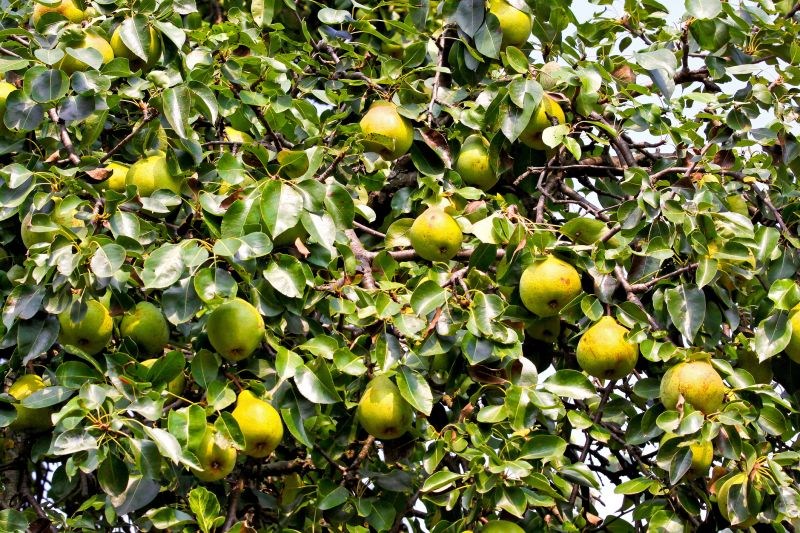
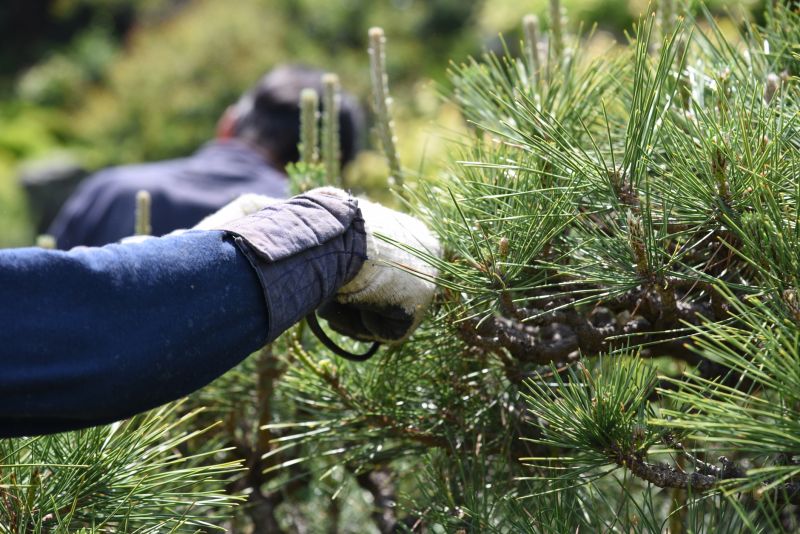
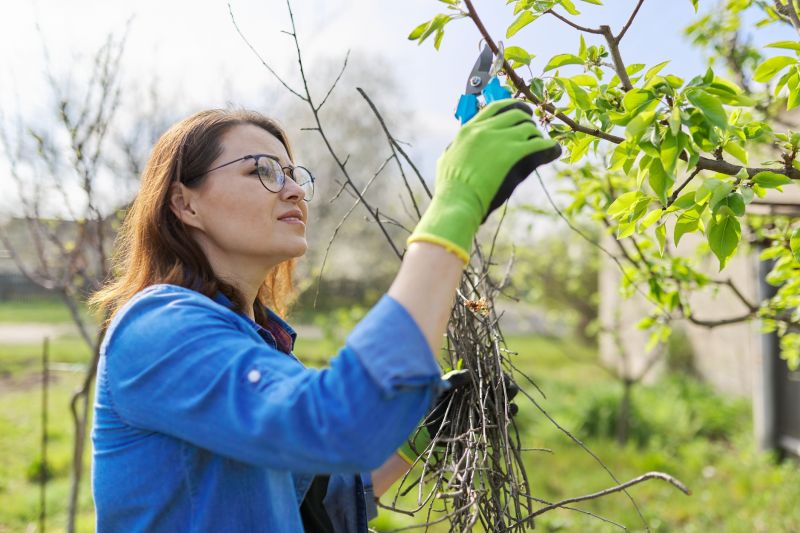
Pear trees pruning services involve carefully trimming and shaping pear trees to promote healthy growth and maximize fruit production. This process typically includes removing dead, damaged, or diseased branches, as well as thinning out crowded areas to improve air circulation and sunlight exposure. Proper pruning encourages stronger branch development and helps maintain the overall structure of the tree, making it more resilient against pests and harsh weather conditions. Skilled service providers understand the specific needs of pear trees at different stages of growth and can tailor their pruning techniques accordingly.
Regular pruning can help address common problems such as overgrowth, which can lead to weak branches that are prone to breaking. It also helps prevent the spread of diseases by removing infected or decayed wood. Additionally, pruning can improve fruit quality by reducing the number of competing branches and directing the tree’s energy toward producing larger, healthier pears. Property owners who notice uneven growth, excessive branch density, or a decline in fruit production may find that professional pruning services are a beneficial solution to restore their trees’ health and productivity.
These services are often sought by homeowners with orchards, fruit gardens, or mature landscape trees that include pear varieties. Residential properties with large yards, as well as community gardens and small farms, frequently utilize pear tree pruning to maintain the aesthetic appeal and functional health of their trees. Property owners who want to ensure their trees remain safe and attractive, especially in areas with high foot traffic or under power lines, may also consider professional pruning. Properly maintained pear trees contribute to the overall beauty and value of a property, making pruning an important part of ongoing landscape care.
Homeowners should consider professional pruning if their pear trees exhibit signs of overgrowth, dead or diseased branches, or uneven fruiting. It’s also recommended when trees become too dense, which can hinder fruit development and increase the risk of pest infestations. Regular pruning helps keep trees manageable and prevents potential hazards from falling branches. By contacting experienced local contractors for this work, property owners can ensure their pear trees receive the appropriate care needed to stay healthy, productive, and visually appealing throughout the year.
The overview below groups typical Pear Trees Pruning projects into broad ranges so you can see how smaller, mid-sized, and larger jobs often compare in Des Moines, IA.
In many markets, a large share of routine jobs stays in the lower and middle ranges, while only a smaller percentage of projects moves into the highest bands when the work is more complex or site conditions are harder than average.
Small Tree Pruning - Typical costs range from $250 to $600 for routine trimming of small to medium-sized pear trees. Many local contractors perform these jobs regularly within this range, making it a common project size. Larger or more complex pruning jobs can exceed this range.
Moderate Tree Pruning - For larger pear trees or more detailed shaping, costs usually fall between $600 and $1,200. Many projects in this category are standard maintenance tasks, with fewer reaching into higher price tiers. Additional services like debris removal may increase the cost.
Heavy or Structural Pruning - More extensive work, such as removing large branches or addressing storm damage, often costs between $1,200 and $2,500. These jobs are less frequent but necessary for tree health and safety, with costs varying based on the tree’s size and complexity.
Full Tree Removal or Replacement - Complete removal and replacement of a pear tree can range from $1,500 to over $5,000, especially for mature or hazardous trees. Most local contractors handle these large projects, which tend to fall into the higher end of the range due to labor and equipment needs.
Actual totals will depend on details like access to the work area, the scope of the project, and the materials selected, so use these as general starting points rather than exact figures.
Tree Trimming and Shaping - local contractors skilled in shaping and maintaining trees use similar pruning techniques to ensure healthy growth and aesthetic appeal.
Ornamental Tree Pruning - specialists in pruning decorative trees employ precise cutting methods comparable to those used for pear trees to enhance appearance and health.
Landscape Tree Care - landscape service providers perform comprehensive tree maintenance, including pruning, to promote safety and visual harmony in outdoor spaces.
Fruit Tree Pruning - experts in pruning fruit-bearing trees apply similar planning and cutting skills to optimize fruit production and tree health.
Storm Damage Tree Removal - professionals removing damaged or fallen trees utilize pruning knowledge to safely cut and clear affected branches or trees.
Hedge Trimming and Shaping - hedge trimming specialists employ pruning tools and techniques that align with those used in tree pruning to maintain tidy and healthy hedges.
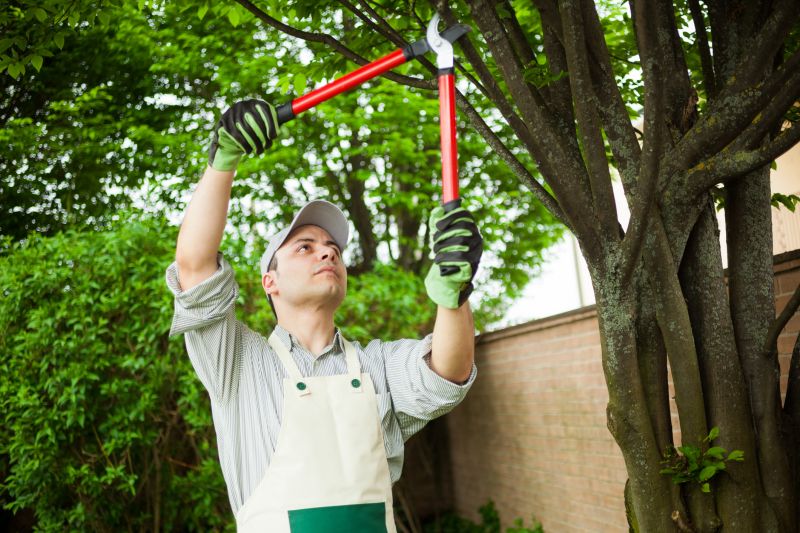
When comparing contractors for Pear Tree Pruning services, it’s important to consider their experience with similar projects. Homeowners should look for service providers who have a proven track record of handling pruning tasks for pear trees or other fruit-bearing varieties. An experienced contractor will understand the specific needs of pear trees, including the best techniques for promoting healthy growth and fruit production, which can lead to more successful and aesthetically pleasing results.
Clear, written expectations are essential when evaluating local contractors. Homeowners should seek providers who can offer detailed descriptions of their pruning approach, including what the process entails and what outcomes to expect. Having this information in writing helps ensure everyone is aligned on the scope of work and reduces misunderstandings. It also provides a basis for comparing different service providers and making an informed decision based on professionalism and transparency.
Reputable references and good communication are key factors in selecting a reliable contractor. Homeowners are encouraged to ask for references or examples of previous work to gauge the quality of a contractor’s services. Additionally, effective communication-such as prompt responses to questions and clarity in explanations-can make the entire process smoother. These qualities help ensure that the chosen service provider is trustworthy and capable of meeting the homeowner’s needs, making it easier to connect with the right local professionals for pear tree pruning projects.
Property owners in Des Moines, IA use Pear Trees Pruning services for practical projects around their homes and businesses. This guide focuses on everyday jobs and straightforward project options.
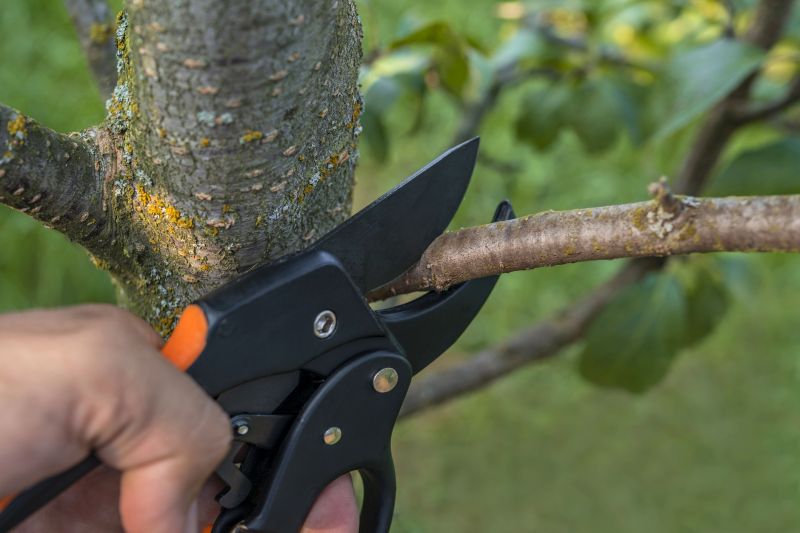
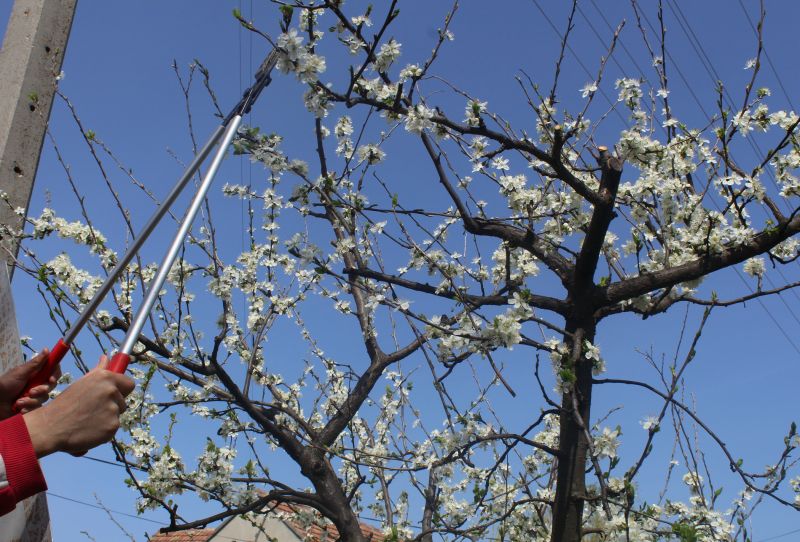
Property owners in Des Moines, IA often seek pear tree pruning services to maintain healthy growth and improve the overall appearance of their trees. Overgrown or unruly branches can interfere with nearby structures, power lines, or walkways, creating safety concerns or hindering outdoor use. Regular pruning by experienced contractors helps shape the tree, encourages better fruit production, and prevents potential damage caused by broken or diseased limbs.
Additionally, many residents look for local contractors to address issues like overcrowding or dead branches that can attract pests or lead to disease. Proper pruning can also enhance sunlight exposure and airflow, supporting the tree’s health and longevity. Service providers in the area can handle these routine projects, ensuring pear trees remain safe, attractive, and well-maintained throughout the year.
Why is pruning pear trees important? Pruning helps maintain the health, structure, and productivity of pear trees by removing dead or diseased branches and encouraging proper growth.
When is the best time to prune pear trees? The ideal time to prune pear trees is during late winter or early spring before new growth begins, according to local horticultural practices.
What tools are typically used for pruning pear trees? Common tools include pruning shears, loppers, and pruning saws, which help safely remove unwanted branches and shape the tree.
Can pruning help improve fruit yield on pear trees? Yes, proper pruning can enhance fruit production by allowing better light penetration and airflow within the canopy.
How do local contractors ensure safe and effective pruning? Experienced service providers follow best practices for pruning techniques, ensuring the tree’s health and safety during the process.
Tree Health Maintenance - Regular pruning helps maintain the overall health and vitality of pear trees, reducing the risk of disease and damage.
Fruit Production Optimization - Proper pruning techniques can encourage better fruit development and improve harvest quality for backyard or orchard pear trees.
Safety and Clearance - Trimming overgrown branches keeps pathways clear and reduces hazards around walkways, driveways, and outdoor living spaces.
Aesthetic Enhancement - Pruning can shape pear trees to enhance their appearance and ensure they complement the landscape of residential or commercial properties.
If you are thinking about Pear Trees Pruning for a property in Des Moines, IA, this guide is meant to help you understand the work, the typical project types, and how different options might fit your plans.
When you are ready, you can use the quote form on this page to share a few details about your project. From there, local pros can review the basics and respond with options that match what you have in mind.